
Sub-Total: $0.00
How Are Hydration and Performance Connected?

Water has been called the essence of life, and with good reason. Whatever your goals, your hydration level will either push you closer to success or stop your progress in its tracks.
Spring invites us to refresh, reset, and restore, starting from the inside out. As winter recedes and the body transitions into a season of renewal, it’s the ideal time to revisit one of the most essential yet often overlooked foundations of health: hydration. From cellular function and digestion to energy levels and skin vitality, the water we consume quietly influences every system in the body.
Let’s explore why not all water is created equal and why choosing higher-quality water can support optimal health, resilience, and long-term well-being.
Fluid Fundamentals
Hydration is often reduced to a numbers game—drink more water, carry a bigger bottle, add electrolytes—but not all water supports the body in the same way. Just as the quality of our food matters, the quality of our water plays a critical role in how efficiently we hydrate. Water is the medium through which nearly every physiological process occurs, including nutrient transport, cellular communication, and temperature regulation. And while water absorption occurs effectively regardless of mineral content, hydration is influenced by factors such as taste, gastrointestinal comfort, and how consistently we drink throughout the day. Naturally filtered artesian spring waters with lower total dissolved solids (TDS) are often lighter in taste and therefore preferred by some consumers, leading to more consistent hydration and increased overall fluid intake. True hydration isn’t about excess—it’s about balance and support.
“True hydration isn’t about excess—it’s about energy, balance, and support.”
What’s the Deal with TDS?
In the U.S., the Environmental Protection Agency (EPA) has a secondary standard (that is recommended but not enforced) of TDS in drinking water at 500 milligrams per liter (mg/L), while the World Health Organization (WHO) notes that naturally sourced water can contain anywhere from 30 to more than 6,000 mg/L. And while both WHO and EPA note that there is no recent data on negative health effects linked to TDS, consumers certainly have a preference, especially when it comes to taste.
Keep that in mind as you consider the following low-TDS, naturally filtered bottled spring waters. (Note that parts per million, or ppm, and mg/L are considered equal when applied to water.)
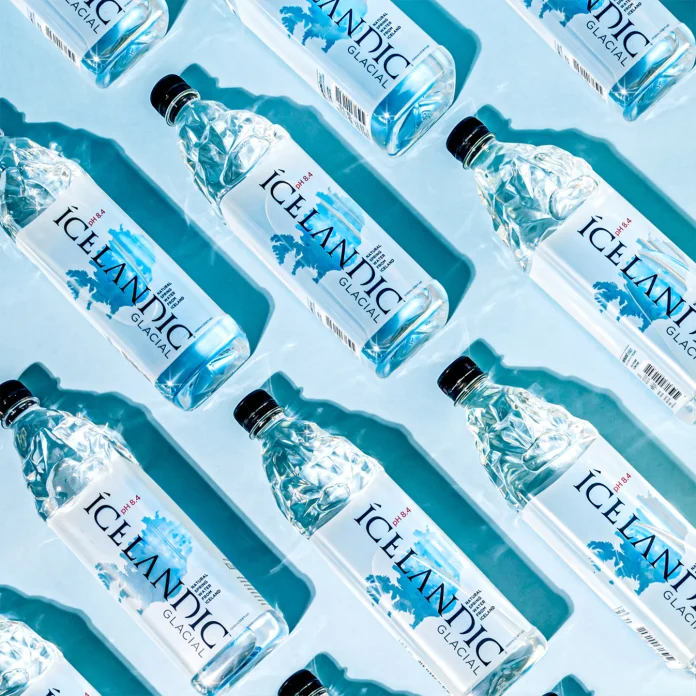
Icelandic Glacial
Source: Ölfus Spring, Iceland
Type: Artesian spring water
Approx. TDS: 60 ppm
Naturally filtered through volcanic rock for thousands of years, Icelandic Glacial offers a clean taste and low TDS, making it ideal for daily consumption and active lifestyles.
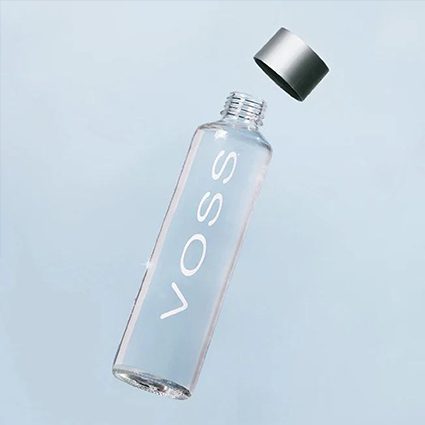
VOSS (Still)
Source: Southern Norway
Type: Artesian water
Approx. TDS: 40 to 45 ppm
VOSS is known for its soft, neutral profile and minimal mineral load. It’s a popular choice in both wellness and performance settings.
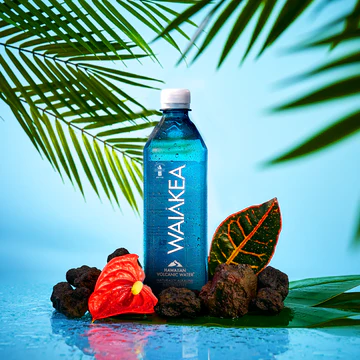
Waiākea Hawaiian Volcanic Water
Source: Mauna Loa volcano, Hawaii
Type: Artesian water
Approx. TDS: 90 to 95 ppm
Filtered through porous volcanic rock, Waiākea contains naturally occurring electrolytes such as potassium and magnesium to support muscle function and recovery.
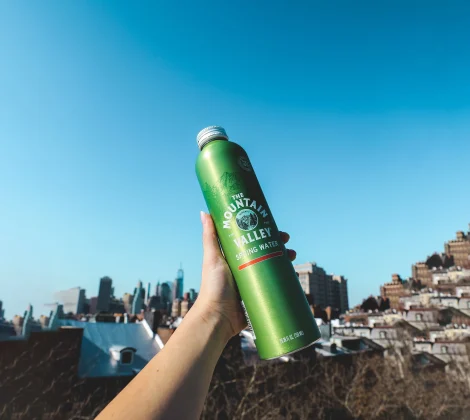
Mountain Valley Spring Water
Source: Ouachita Mountains, Arkansas
Type: Natural spring (artesian-fed)
Approx. TDS: 120 to 140 ppm
A long-standing spring water with a naturally alkaline profile, Mountain Valley provides a slightly higher mineral content while remaining highly drinkable.
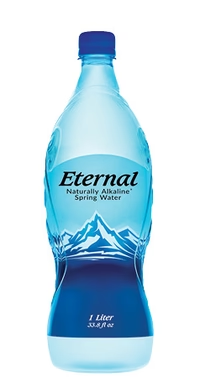
Eternal Water
Source: Protected underground springs, U.S.
Type: Artesian spring water
Approx. TDS: 140 to 150 ppm
Sourced from protected aquifers, Eternal Water is naturally alkaline and mineral-balanced. Still considered low-to-moderate TDS, it offers a smooth taste for everyday use.
Do You Know Your H20?
Even mild dehydration affects mood.
Just a one to two percent drop in hydration can impact focus, reaction time, and mood. This explains why workouts feel harder and patience wears thinner on low-hydration days.
Muscles are around 75 percent water.
Muscle tissue holds more water than fat tissue, which means hydration literally supports a lean, strong body composition. Remember: hydration is part of muscle maintenance!
Water plays a role in temperature regulation.
Proper hydration helps your body cool itself efficiently— which is especially important during the spring when training intensity often increases.
Dehydration can mimic hunger.
The brain often confuses thirst with hunger, which can influence your appetite awareness, recovery, and mindful fueling.

Hydration affects joint comfort.
Water helps maintain synovial fluid, the lubricant for joints. Therefore, hydration supports mobility, longevity, and pain-free training.
Hydration is all about timing.
Sipping consistently throughout the day hydrates better than “catch-up” drinking at night. Your body prefers a steady drip, not a flood.
Natural water sources carry a “mineral signature.”
Spring and mineral waters reflect the terrain they pass through. Nature filters water in ways technology still tries to replicate.